
Acne Care Solution – แนวทางดูแลผิวหน้าสิวอย่างถูกวิธีไม่ทำให้แย่ลง
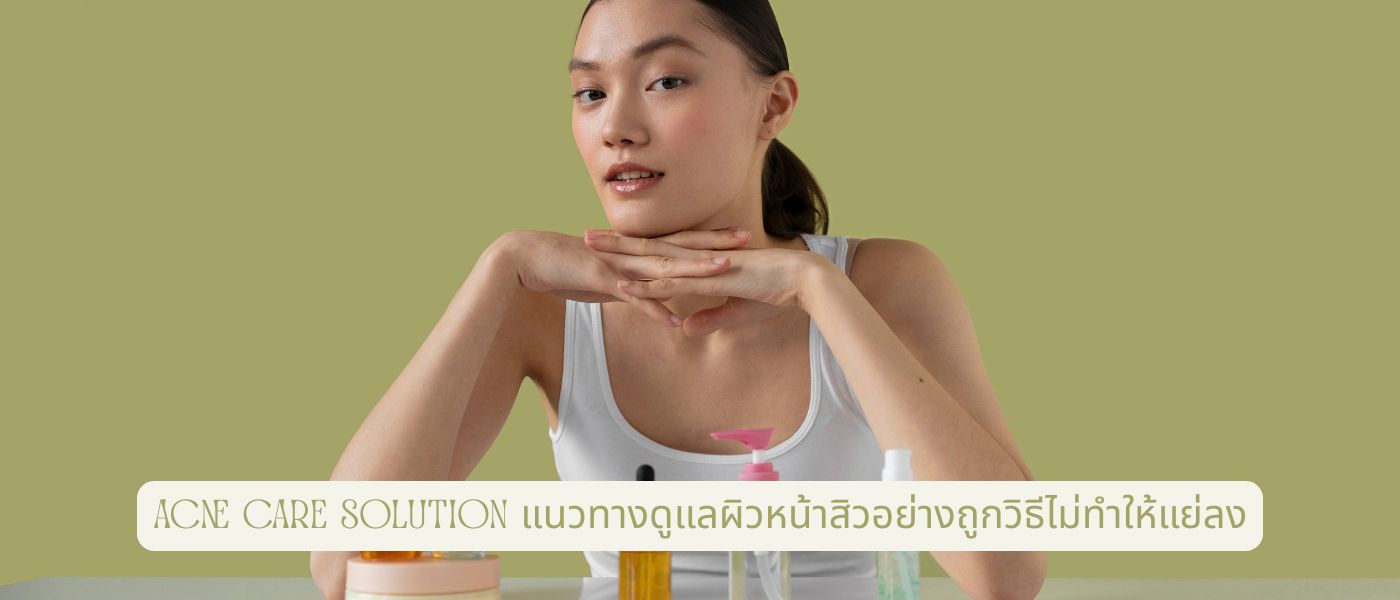
ใครที่กำลังเผชิญปัญหาสิวเรื้อรัง สิวอุดตัน หรือสิวอักเสบที่ไม่ยอมหายสักที คงเข้าใจดีว่า มันบั่นทอนความมั่นใจขนาดไหน หลายคนพยายามทุกวิถีทาง ทั้งเปลี่ยนสกินแคร์ราคาแพง ลองสูตรลับจากโซเชียลมีเดีย แต่กลับยิ่งทำให้ผิวพังกว่าเดิม
ความจริงแล้วการดูแลผิวหน้าสิวไม่ได้ซับซ้อนอย่างที่คิด แต่ต้องเข้าใจสาเหตุที่แท้จริง และใช้วิธีที่ถูกต้องอย่างต่อเนื่อง ข้อมูลนี้ จะพาคุณไปรู้จักแนวทางที่ผ่านการพิสูจน์ทางผิวหนังวิทยา พร้อมเปิดเผยพฤติกรรมที่ทำให้สิวลุกลามแบบไม่รู้ตัว เพื่อให้คุณกลับมามีผิวใส และสุขภาพดีอีกครั้ง
ทำความเข้าใจสาเหตุของสิวก่อนเริ่มดูแลผิว
ก่อนจะลงมือรักษา เราต้องรู้ก่อนว่าสิวเกิดจากอะไร เพราะถ้าไม่เข้าใจต้นเหตุ การรักษาก็เหมือนแก้ปัญหาที่ปลายเหตุไปเรื่อยๆ และไม่มีวันจบ
🧬 ฮอร์โมนและพันธุกรรมส่งผลต่อการเกิดสิวอย่างไร
ฮอร์โมนแอนโดรเจน (Androgen) เป็นตัวการสำคัญที่กระตุ้นต่อมไขมัน ให้ผลิตน้ำมันออกมามากเกินไป โดยเฉพาะในช่วงวัยรุ่น ช่วงก่อนมีประจำเดือน หรือผู้ที่มีภาวะถุงน้ำในรังไข่ (PCOS)
นอกจากนี้พันธุกรรมก็มีบทบาทไม่น้อย หากพ่อแม่เคยเป็นสิวเรื้อรัง โอกาสที่ลูกจะเป็นสิวรุนแรงก็สูงขึ้น เพราะโครงสร้างผิวและการทำงานของต่อมไขมัน ถูกถ่ายทอดทางพันธุกรรมโดยตรง
⚖️ ไลฟ์สไตล์และความเครียดที่กระตุ้นให้สิวลุกลาม
การนอนดึก พักผ่อนน้อย และความเครียดสะสม ทำให้ร่างกายหลั่งฮอร์โมนคอร์ติซอล ซึ่งเป็นตัวกระตุ้นการอักเสบโดยตรง ส่งผลให้สิวยิ่งโผล่และหายช้ากว่าปกติหลายเท่า
อาหารบางประเภท เช่น นมวัว ของหวานน้ำตาลสูง และแป้งขัดขาว มีงานวิจัยพบว่า อาจเชื่อมโยงกับการเกิดสิวในบางคน ลองสังเกตตัวเองว่า หลังกินอะไรแล้วสิวขึ้นบ่อย จะช่วยให้หลีกเลี่ยงได้ตรงจุดมากขึ้น
🔍 ประเภทของสิวที่พบบ่อยและวิธีสังเกตด้วยตัวเอง
สิวมีหลายชนิดที่ต้องการการดูแลต่างกัน ได้แก่ สิวอุดตันหัวปิด (Whitehead) สิวอุดตันหัวเปิด (Blackhead) สิวอักเสบเป็นตุ่มแดง สิวหนอง และสิวซีสต์ที่เป็นก้อนใหญ่ใต้ผิว
สิวอุดตันต้องใช้กลุ่มผลัดเซลล์ผิวเป็นหลัก ส่วนสิวอักเสบต้องใช้สารต้านแบคทีเรียร่วมด้วย หากแยกประเภทไม่ออกหรือมีหลายชนิดปนกัน ควรปรึกษาแพทย์ผิวหนัง เพื่อความแม่นยำในการรักษา
หลักการดูแลผิวหน้าสิวอย่างถูกวิธีในชีวิตประจำวัน
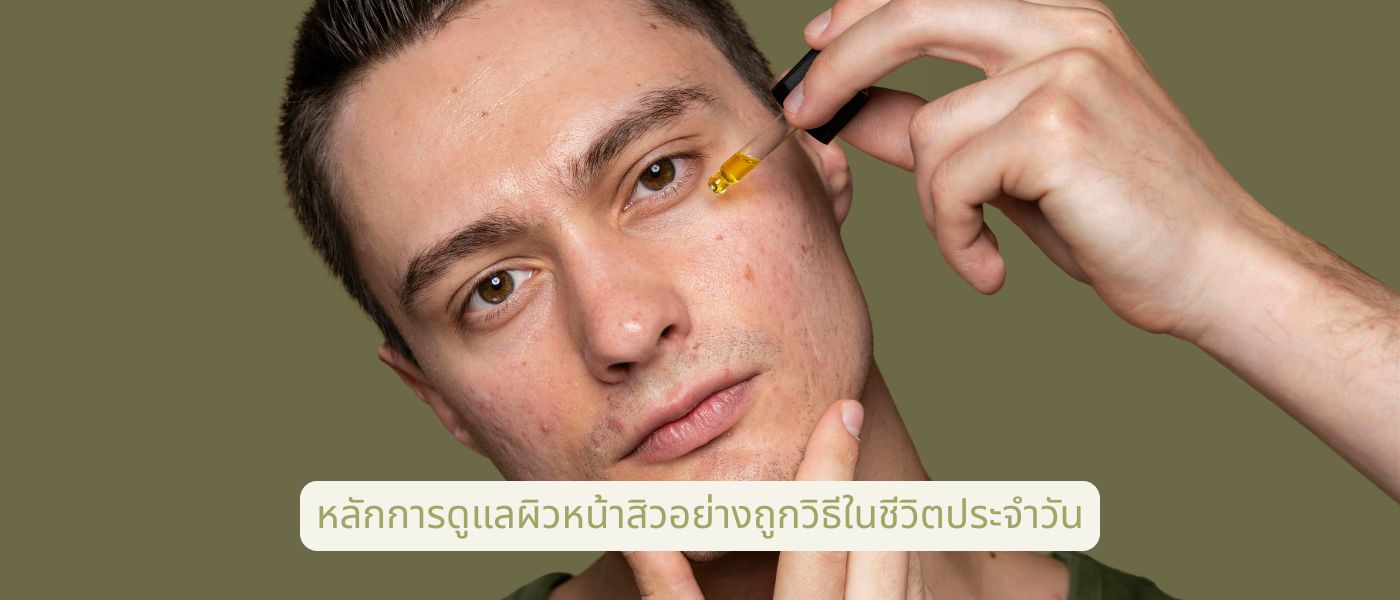
หัวใจของการดูแลผิวหน้าสิวคือ ความสม่ำเสมอและความนุ่มนวล ไม่ใช่การใช้ของแรงกระแทกหวังให้สิวหายเร็วๆ เพราะนั่นจะทำให้ผิวพังแบบกู่ไม่กลับ
☀️ ขั้นตอนดูแลผิวหน้าสิวตอนเช้าที่ทำได้ภายใน 5 นาที
เริ่มจากล้างหน้าด้วยคลีนเซอร์สูตรอ่อนโยน ไม่มีฟองมาก หลีกเลี่ยงสบู่ก้อนที่ทำให้ผิวตึงและแห้ง จากนั้นเช็ดโทนเนอร์ปรับสมดุล pH ก่อนทาเซรั่มที่มี Niacinamide หรือ Centella เพื่อลดการอักเสบของผิว
ปิดท้ายด้วยมอยส์เจอไรเซอร์เนื้อบาง และครีมกันแดด SPF 30 ขึ้นไป สูตร Non-comedogenic ที่ไม่ก่อให้เกิดสิวอุดตัน เพราะแสงแดดทำให้รอยสิวคล้ำ และกระตุ้นการอักเสบมากขึ้น
🌙 รูทีนบำรุงผิวก่อนนอนเพื่อฟื้นฟูผิวที่อักเสบ
ตอนกลางคืน เป็นช่วงทองที่ผิวซ่อมแซมตัวเอง ควรล้างเครื่องสำอางและสิ่งสกปรกออกให้หมด ด้วยวิธี Double Cleansing คือทำความสะอาดด้วยน้ำมัน หรือ Cleansing Balm ก่อน แล้วตามด้วยคลีนเซอร์สูตรอ่อนโยน
หลังจากนั้นทาเซรั่มกลุ่มผลัดเซลล์ผิว เช่น BHA หรือ Retinol ในปริมาณน้อยๆ เริ่มสัปดาห์ละ 2 ครั้ง แล้วค่อยเพิ่มความถี่เมื่อผิวปรับตัวได้ ปิดด้วยมอยส์เจอไรเซอร์ฟื้นบำรุง เพื่อล็อกความชุ่มชื้นไว้ตลอดคืน
💧 ความถี่ในการล้างหน้าและสครับที่เหมาะกับผิวเป็นสิว
ล้างหน้าวันละ 2 ครั้ง คือเช้าและก่อนนอน ก็เพียงพอแล้ว การล้างบ่อยเกินไป ทำให้ผิวสูญเสียน้ำมันธรรมชาติ ร่างกายจึงผลิตน้ำมันออกมาทดแทนมากขึ้น ส่งผลให้สิวยิ่งขึ้นเรื่อยๆ
ส่วนการสครับให้จำกัดที่สัปดาห์ละ 1 ครั้ง และเลือกสครับเคมีอ่อนๆ แทนสครับเม็ดที่ขัดถูแรงๆ เพราะการถูแรงจะทำให้สิวอักเสบแตก และกระจายเชื้อไปยังบริเวณข้างเคียง
🧪 เลือกผลิตภัณฑ์อย่างไรให้เหมาะกับผิวเป็นสิว
สกินแคร์สำหรับผิวสิวต้องเลือกให้ตรงปัญหา ไม่ใช่ตามรีวิวอย่างเดียว เพราะผิวแต่ละคนตอบสนองต่อสารแต่ละชนิดแตกต่างกัน
สารสำคัญที่ช่วยลดสิว เช่น Salicylic Acid, BHA, Niacinamide
Salicylic Acid (BHA) ความเข้มข้น 0.5-2% เป็นพระเอกของผิวสิว เพราะละลายในน้ำมันได้ดี สามารถลงไปทำความสะอาดในรูขุมขนได้ลึก ถึงต้นตอของสิวอุดตัน
Niacinamide 5-10% ช่วยลดการอักเสบ และควบคุมความมัน Benzoyl Peroxide ฆ่าเชื้อแบคทีเรียที่ก่อสิวอักเสบ ส่วน Retinoid ช่วยผลัดเซลล์ และป้องกันสิวกลับมาเป็นซ้ำในระยะยาว
⚠️ ส่วนผสมและประเภทผลิตภัณฑ์ที่คนเป็นสิวควรหลีกเลี่ยง
หลีกเลี่ยงน้ำมันมะพร้าว (Coconut Oil), Isopropyl Myristate, Lanolin และสาหร่ายบางชนิด เพราะมีค่า Comedogenic สูง อาจอุดรูขุมขนและเป็นสาเหตุของสิวเพิ่ม
ผลิตภัณฑ์ที่มีแอลกอฮอล์เข้มข้น น้ำหอมแรงๆ หรือเอสเซนเชียลออยล์บางตัว ก็อาจระคายเคืองผิวที่บอบบางจากสิวอยู่แล้ว ทำให้ผิวอักเสบมากขึ้นและฟื้นตัวช้า
🛡️ การเลือกมอยส์เจอไรเซอร์และครีมกันแดดสูตร Non-comedogenic
หลายคนเข้าใจผิดว่า ผิวมันไม่ต้องบำรุง ความจริงแล้วผิวที่ขาดน้ำ จะผลิตน้ำมันชดเชย ทำให้สิวยิ่งเยอะ ควรเลือกมอยส์เจอไรเซอร์เนื้อเจล หรือ Gel-cream ที่บางเบาและซึมไว
ครีมกันแดดสำหรับผิวสิว ควรเป็นสูตร Oil-free, Non-comedogenic และระบุชัดว่า เหมาะสำหรับผิวเป็นสิว เลือกแบบ Physical หรือ Hybrid Sunscreen จะอ่อนโยนต่อผิวมากกว่า Chemical แบบเก่า
พฤติกรรมที่ทำให้สิวแย่ลงและควรเลิกทำทันที
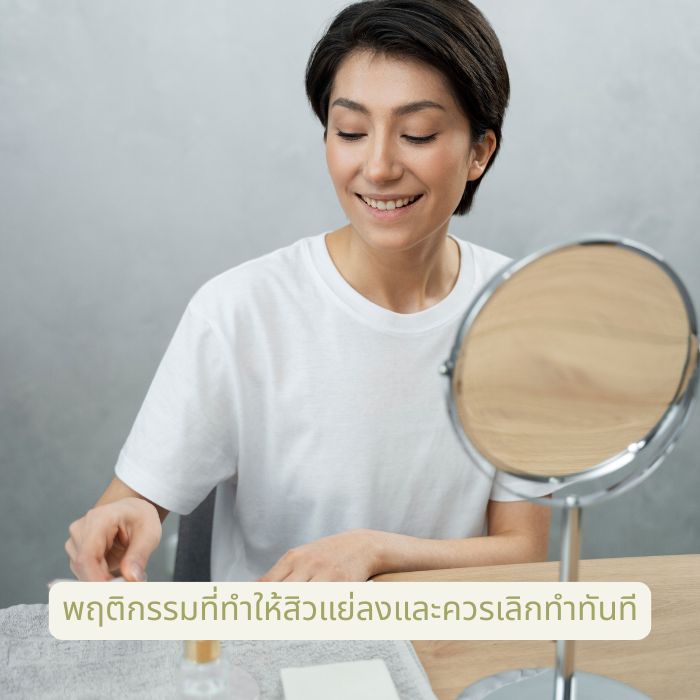
บางครั้งสิ่งที่เราคิดว่าช่วย กลับเป็นตัวการทำให้สิวลุกลาม ลองเช็คดูว่า คุณกำลังทำพฤติกรรมเหล่านี้อยู่หรือเปล่า
📍 การบีบ แกะ และสัมผัสใบหน้าด้วยมือที่ไม่สะอาด
การบีบสิว เป็นพฤติกรรมที่อันตรายที่สุด เพราะดันเชื้อแบคทีเรียลงลึกในผิวมากขึ้น ทำให้เกิดการอักเสบรุนแรง ทิ้งรอยดำ และเสี่ยงเป็นหลุมสิวที่รักษายาก
ในแต่ละวันมือเราสัมผัสสิ่งของนับร้อยชิ้น เต็มไปด้วยเชื้อโรคและฝุ่นละออง การจับหน้าบ่อยๆ หรือเท้าคาง ก็เป็นการส่งเชื้อให้สิวลงผิวโดยตรง พยายามฝึกตัวเองให้หลีกเลี่ยง
📍 การใช้สกินแคร์ซ้อนทับหลายชั้นจนผิวรับไม่ไหว
หลายคนซื้อสกินแคร์ตามรีวิวทั้งหมด แล้วทาทับซ้อนกัน 7-8 ชั้น คิดว่ายิ่งทาเยอะยิ่งดี แต่ความจริงคือผิวที่กำลังอักเสบรับสารหนักไม่ไหว ยิ่งกระตุ้นการระคายเคืองและทำให้สิวลุกลาม
ผิวสิว ควรเริ่มจากสกินแคร์ขั้นพื้นฐาน 3-4 step ก่อน ใช้ของน้อยชิ้นแต่ตรงประเด็น เมื่อผิวปรับตัวได้ค่อยเพิ่มขั้นตอนอื่น และไม่ควรใช้กรดผลัดผิวหลายตัวซ้อนกันในวันเดียวเด็ดขาด
📍 การละเลยปลอกหมอน ผ้าเช็ดหน้า และหน้าจอมือถือ
ปลอกหมอนที่ใช้นานเกินสัปดาห์เต็มไปด้วยน้ำมัน เซลล์ผิวที่ตายแล้ว และไรฝุ่น ควรเปลี่ยนทุก 3-4 วัน โดยเฉพาะคนที่นอนตะแคงข้างเดียว จะยิ่งเสี่ยงต่อสิวบริเวณแก้ม
หน้าจอมือถือ เป็นแหล่งสะสมเชื้อโรคที่หลายคนมองข้าม การยกขึ้นแนบหูตลอดวัน ทำให้เชื้อแบคทีเรียลงผิวบริเวณแก้มและขากรรไกร ควรเช็ดทำความสะอาดทุกวันด้วยแอลกอฮอล์
🩺 เมื่อไหร่ที่ควรพบแพทย์ผิวหนังเพื่อรักษาสิว
หากดูแลตัวเองอย่างถูกต้องครบ 8-12 สัปดาห์แล้วยังไม่ดีขึ้น หรือสิวลามรุนแรง ถึงเวลาต้องพึ่งผู้เชี่ยวชาญแล้ว
🚨 สัญญาณเตือนว่าสิวเรื้อรังต้องได้รับการรักษาเฉพาะทาง
สิวซีสต์ที่เป็นก้อนใหญ่ใต้ผิว เจ็บปวด และมักทิ้งรอยลึก สิวที่ลามทั้งใบหน้า คอ และลำตัว หรือสิว ที่ส่งผลต่อสภาพจิตใจจนไม่กล้าออกจากบ้าน เป็นสัญญาณว่าควรพบแพทย์โดยด่วน
อย่ารอจนสิวทิ้งหลุมแล้วค่อยรักษา เพราะการแก้รอยหลุมสิวยาก และใช้เวลานานกว่าการป้องกันมาก การรักษาตั้งแต่ระยะแรกจะให้ผลลัพธ์ที่ดีกว่า และประหยัดกว่าในระยะยาว
🏥 ทางเลือกการรักษาจากแพทย์และการดูแลผิวหน้าสิวหลังทำหัตถการ
แพทย์อาจสั่งยาทาเฉพาะที่ ยาปฏิชีวนะ หรือ Isotretinoin สำหรับเคสที่รุนแรง ร่วมกับหัตถการเช่น เลเซอร์ลดอักเสบ การกดสิว หรือ Chemical Peeling เพื่อเร่งผลลัพธ์
หลังทำหัตถการ การดูแลผิวหน้าสิวต้องเข้มงวดเป็นพิเศษ ทากันแดดทุกวัน หลีกเลี่ยงแสงแดดจัด งดใช้กรดผลัดผิวชั่วคราว และทำตามคำแนะนำของแพทย์อย่างเคร่งครัด เพื่อผลลัพธ์ที่ดีที่สุดและป้องกันรอยดำ หลังการอักเสบที่อาจติดทนนานเป็นเดือน
❓ คำถามที่พบบ่อยเกี่ยวกับการดูแลผิวหน้าสิว
Q: ดูแลผิวหน้าสิวด้วยตัวเองนานแค่ไหนถึงจะเห็นผล?
A: โดยทั่วไปจะเริ่มเห็นการเปลี่ยนแปลงภายใน 4-6 สัปดาห์ และเห็นผลชัดเจนที่ 8-12 สัปดาห์ เพราะวงจรการผลัดเซลล์ผิวใช้เวลาประมาณ 28 วัน หากครบ 3 เดือนแล้ว ยังไม่ดีขึ้นหรือสิวรุนแรงขึ้น แนะนำให้ปรึกษาแพทย์ผิวหนัง เพื่อรับการรักษาที่เหมาะสม
Q: คนเป็นสิวควรล้างหน้ามากกว่าวันละ 2 ครั้งได้ไหม?
A: ไม่แนะนำ เพราะการล้างหน้าบ่อยเกินไป จะทำลายเกราะป้องกันผิว (Skin Barrier) ทำให้ผิวแห้งและผลิตน้ำมันออกมามากขึ้น เพื่อชดเชย หากรู้สึกว่าหน้ามันระหว่างวัน ให้ใช้กระดาษซับมันแทน หรือล้างเฉพาะน้ำเปล่าเย็นๆ ก็เพียงพอ
Q: มาสก์หน้าและเซรั่มลดสิวใช้พร้อมกันได้ไหม?
A: ไม่ควรใช้ผลิตภัณฑ์ออกฤทธิ์แรงทับซ้อนกันในวันเดียว เช่น มาสก์ดินที่มี BHA กับเซรั่ม Retinol เพราะอาจทำให้ผิวระคายเคืองรุนแรง และเป็นสิวเห่อมากขึ้น ควรสลับวันใช้ หรือใช้มาสก์เพียงสัปดาห์ละ 1-2 ครั้งก็เพียงพอแล้ว